

National Park, NJ
400 South Grove Ave
A hundred-year-old landfill, remediated and transformed to a native vegetation habitat and solar field for the betterment of the community.
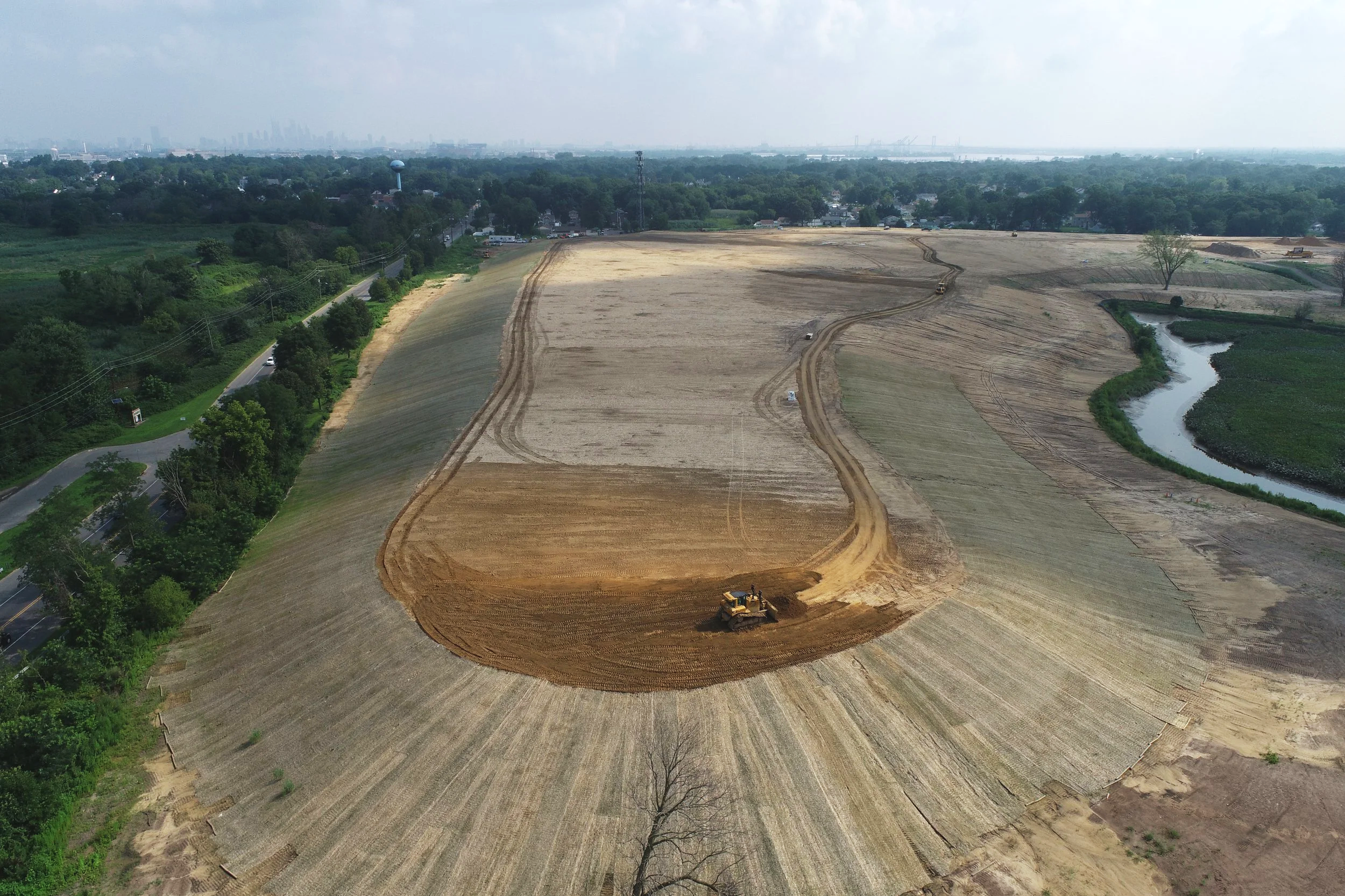
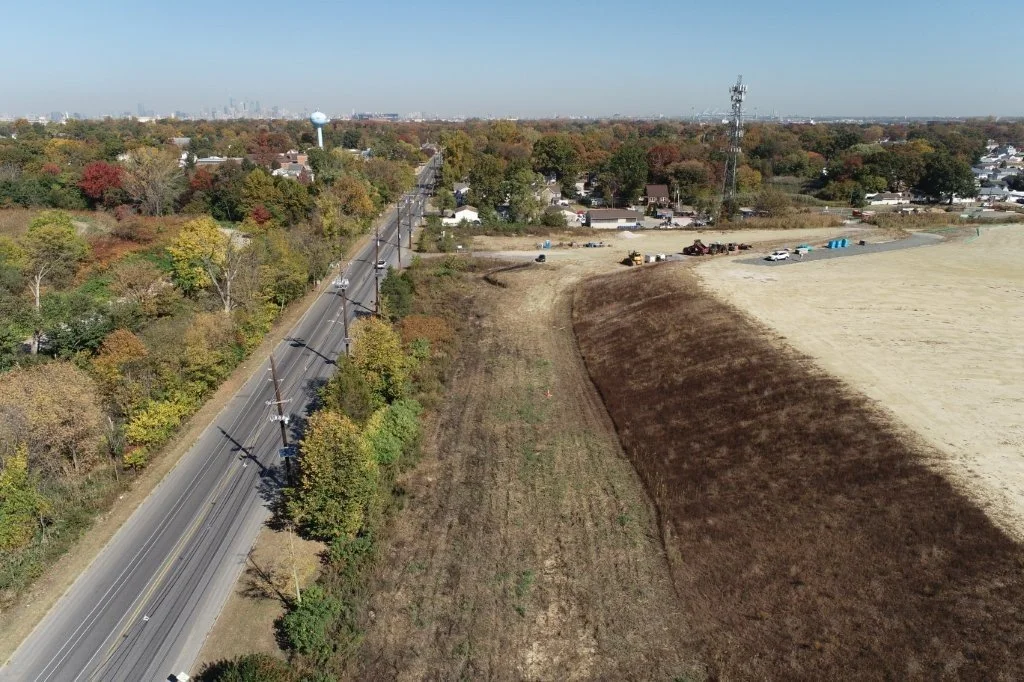
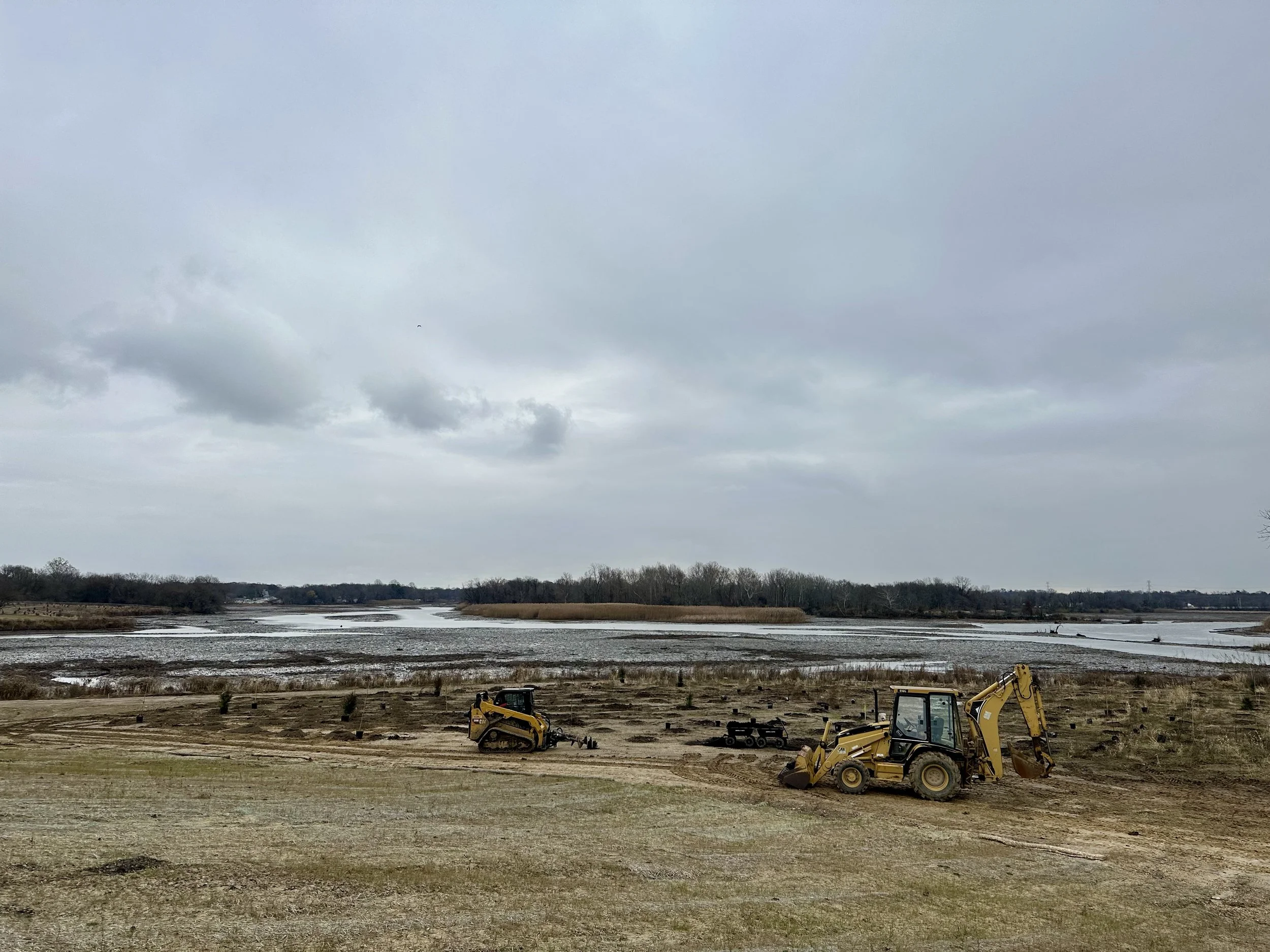
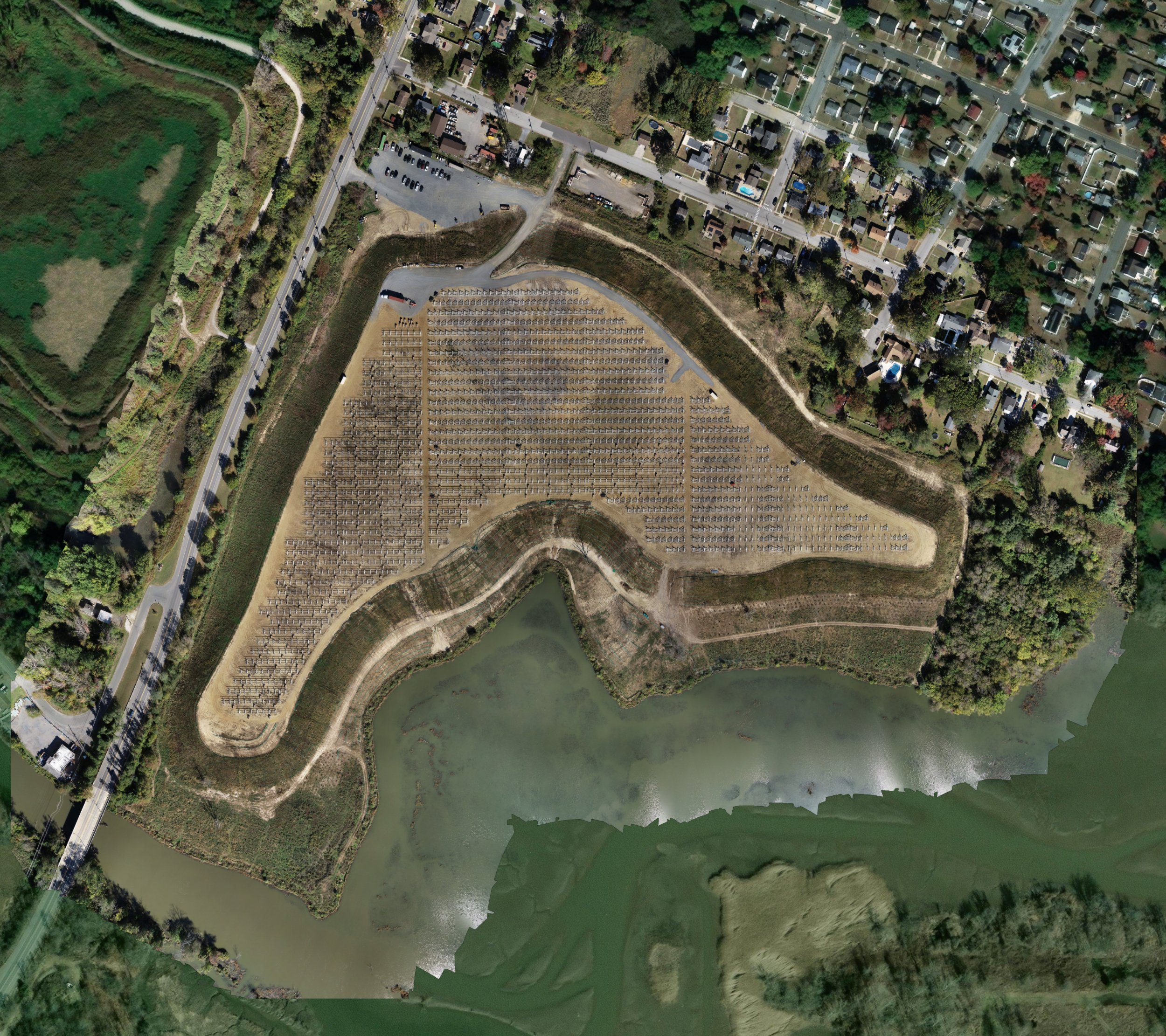
Located along Woodbury Creek and Hessian Run in National Park, New Jersey, this 50-acre site had served for decades as an industrial landfill, primarily receiving construction and demolition material. Like many historic disposal sites in the region, it remained underutilized, environmentally impaired, and disconnected from the surrounding community and ecological resources.
Dynamic Site Redevelopment (DSR) acquired and undertook the project with the goal of transforming the property into a productive and environmentally secure asset. The redevelopment program focused on three major outcomes:
Eliminating environmental hazards through modern landfill capping
Restoring ecological function and native habitat along the shoreline
Converting the remediated landfill plateau into a revenue-generating solar energy installation
The project was structured into three major phases, each building on the success of the one before it.
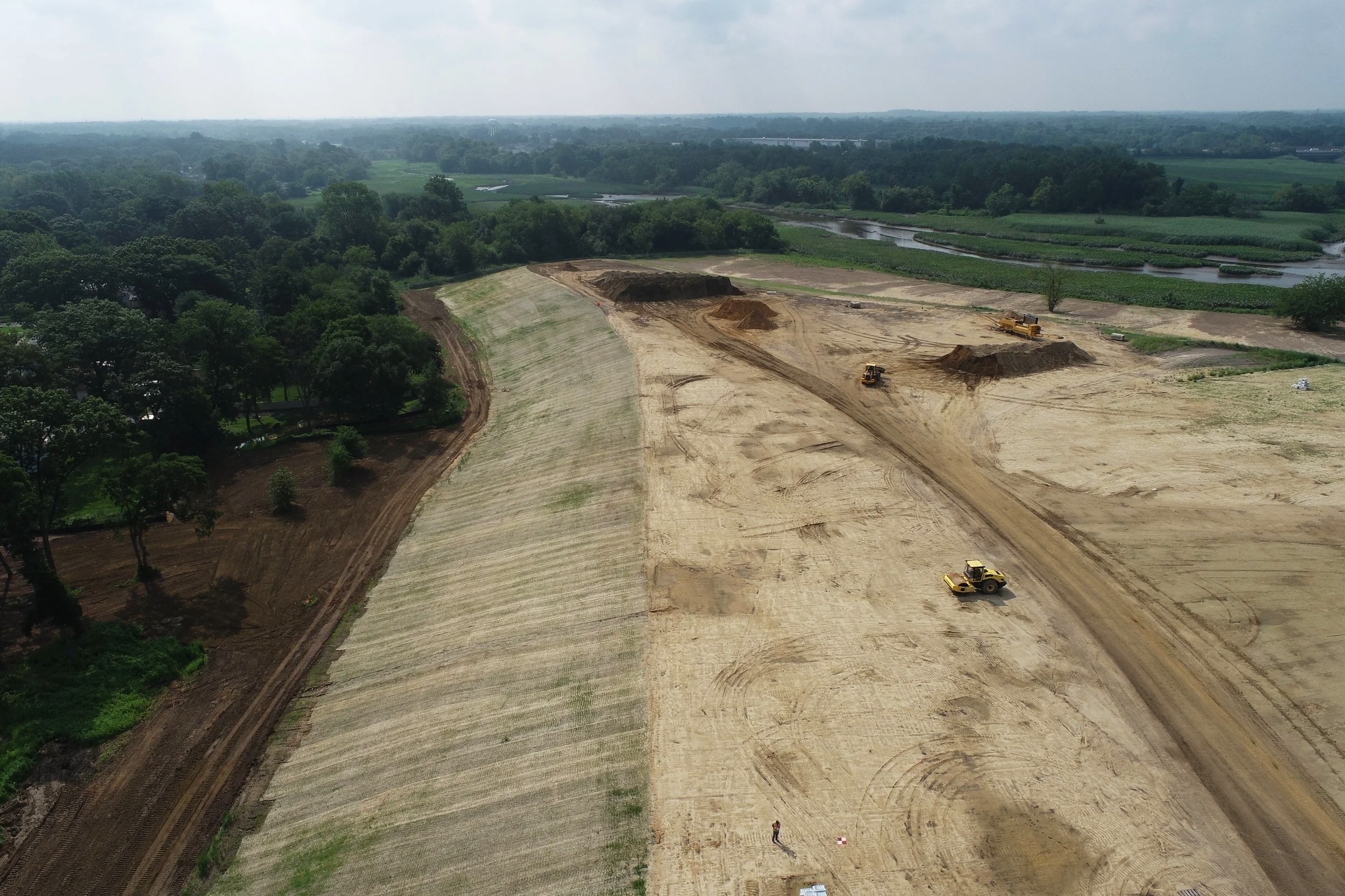
Site work.
The first phase focused on stabilizing and closing the former landfill in accordance with regulatory standards. Key components included:
Detailed topographic surveying, waste delineation, and remedial design
Grading and reshaping of the landfill surface to improve drainage and long-term stability
Import and placement of clean fill to establish a compliant cap over the waste mass
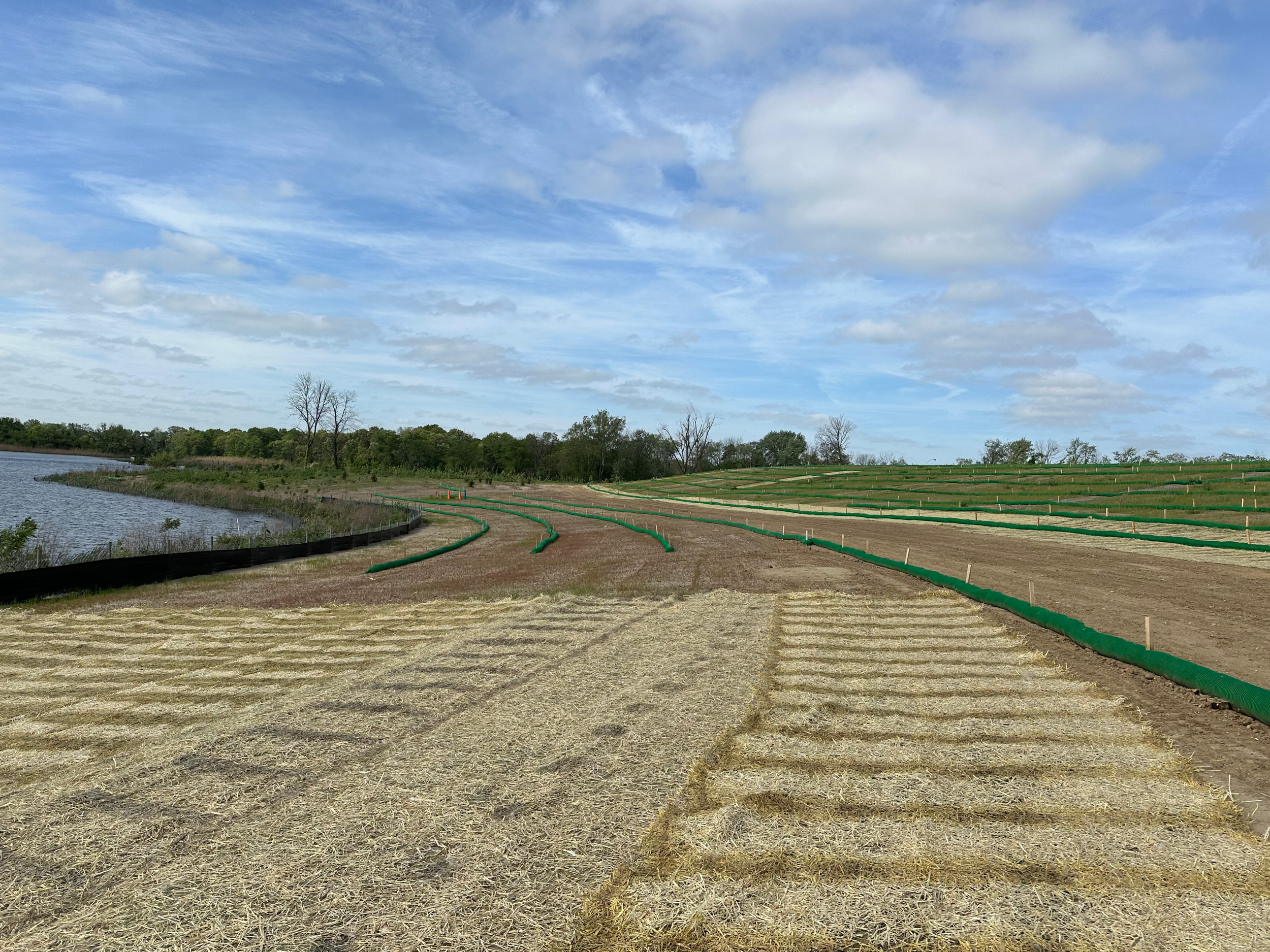
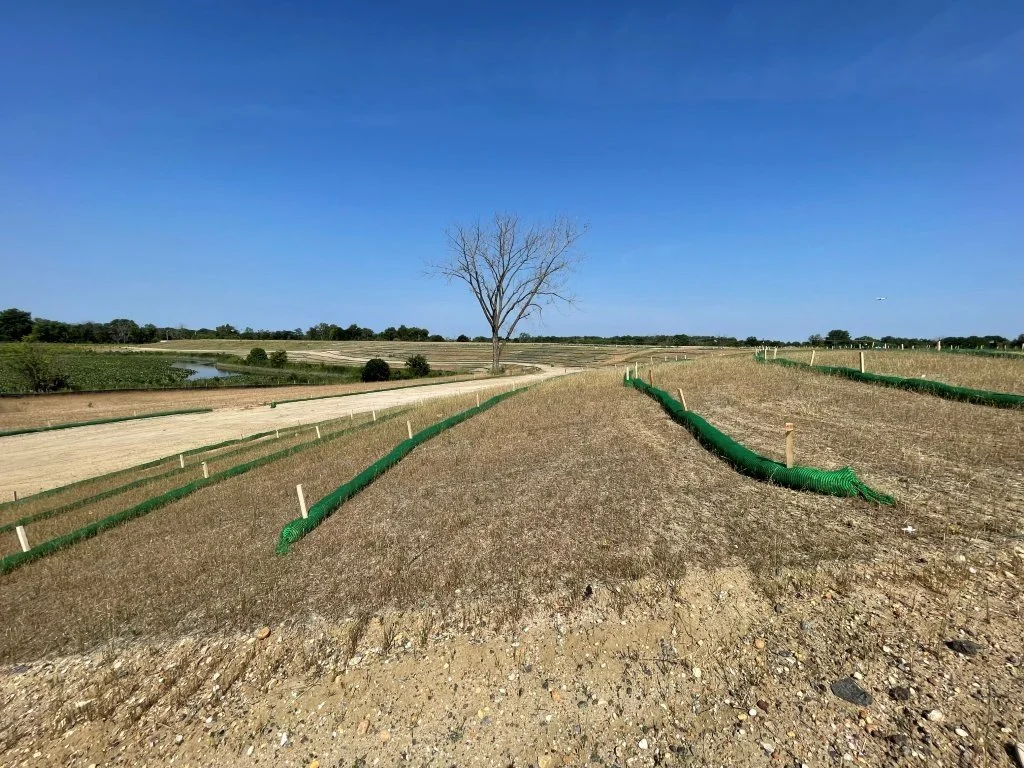
Installation of erosion-control measures to protect capped surfaces during re-vegetation
Establishment of final grade conditions suitable for future solar infrastructure
The completed cap eliminates direct exposure to landfill material, minimizes infiltration, controls gas migration, and provides a stable platform for redevelopment. This phase set the foundation for both ecological restoration and long-term beneficial use of the property.
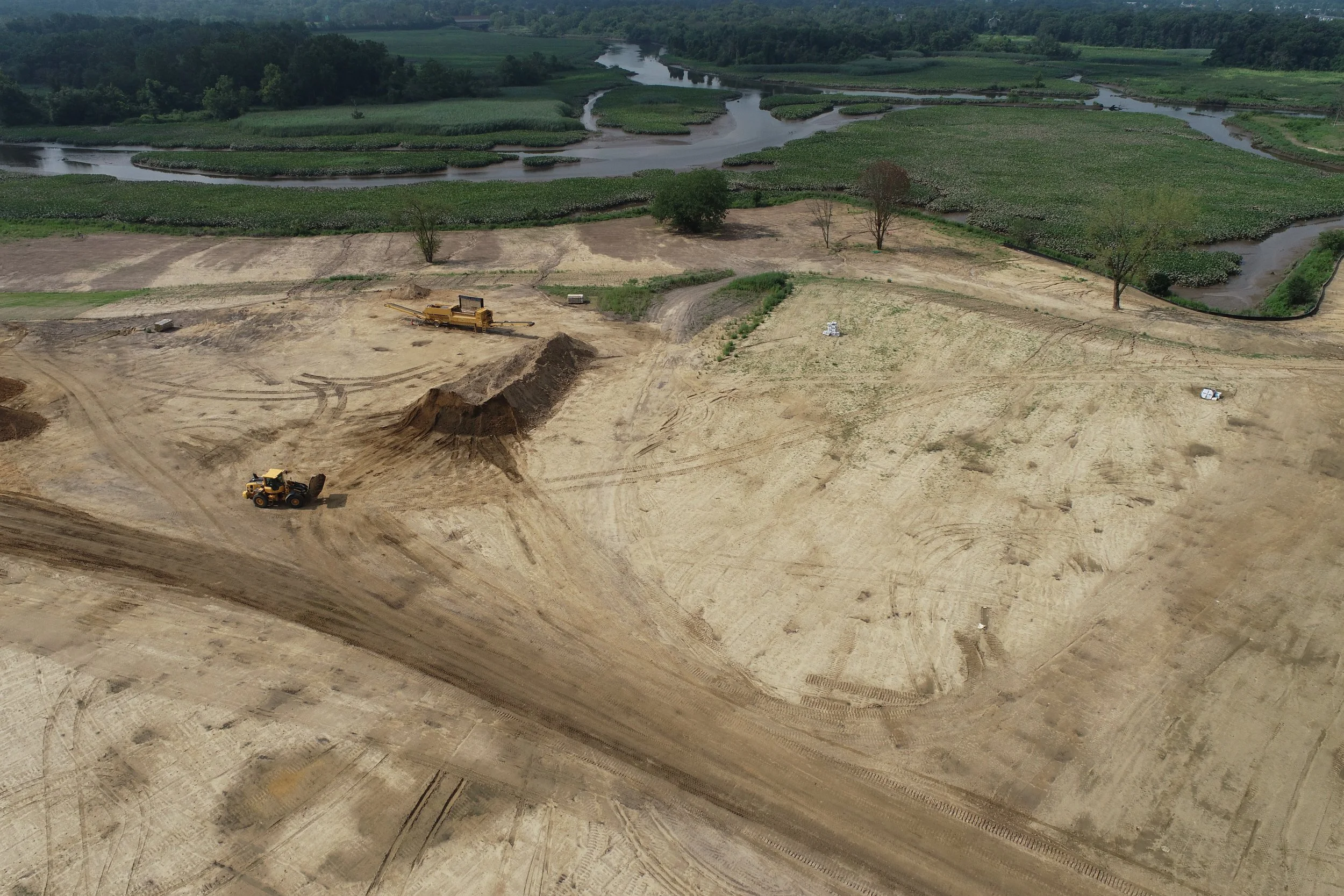
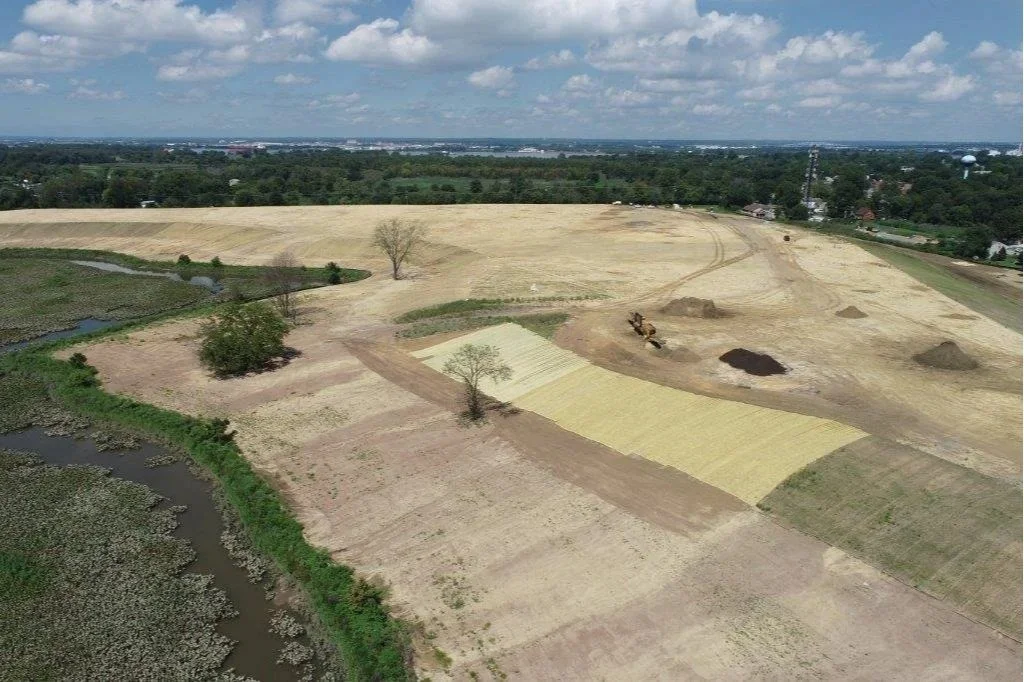
Restoring habitat.
With the landfill stabilized, the second phase focused on restoring the natural environment and improving ecological resilience along the creek and tidal interface. Work completed included:
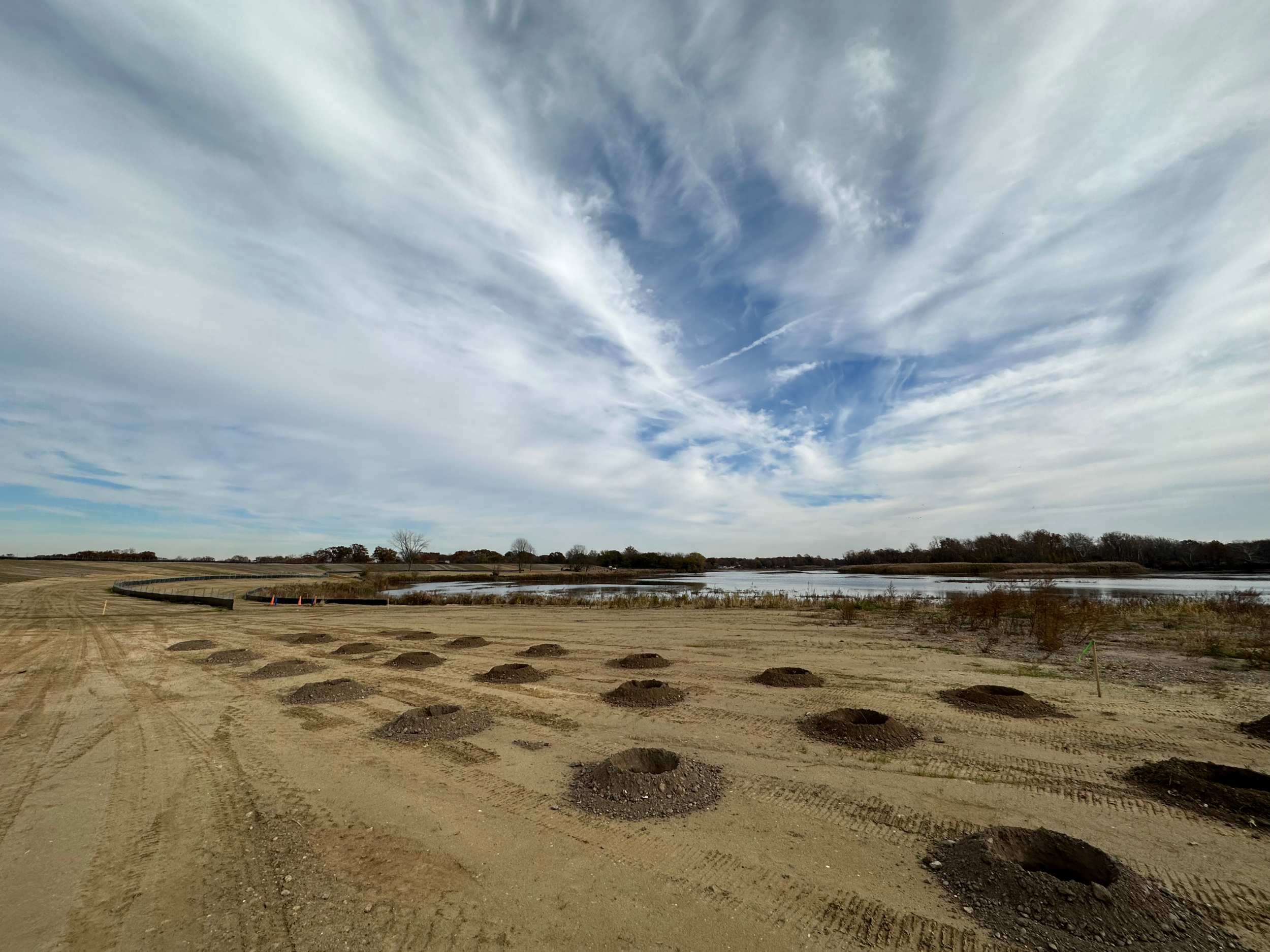
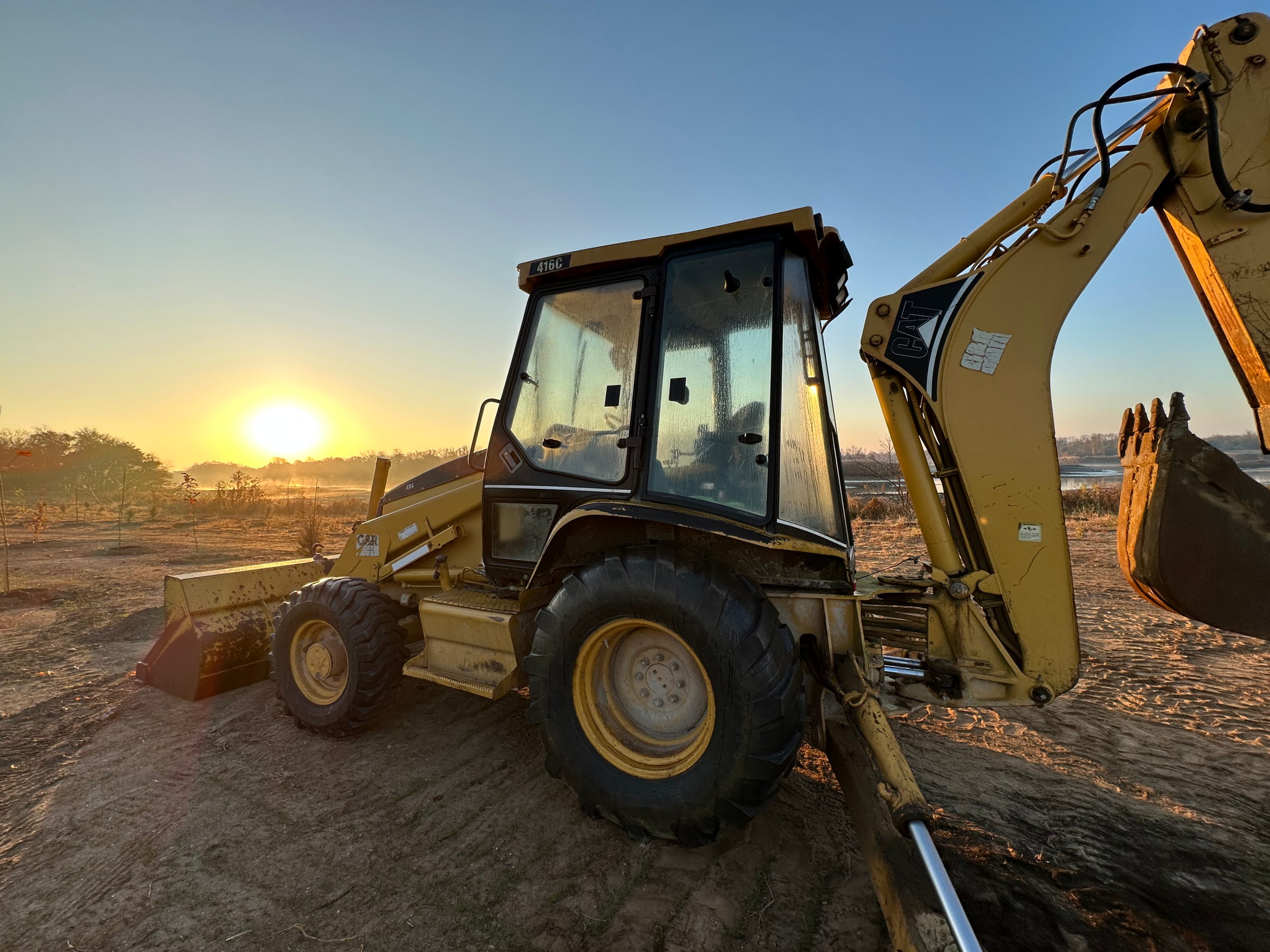
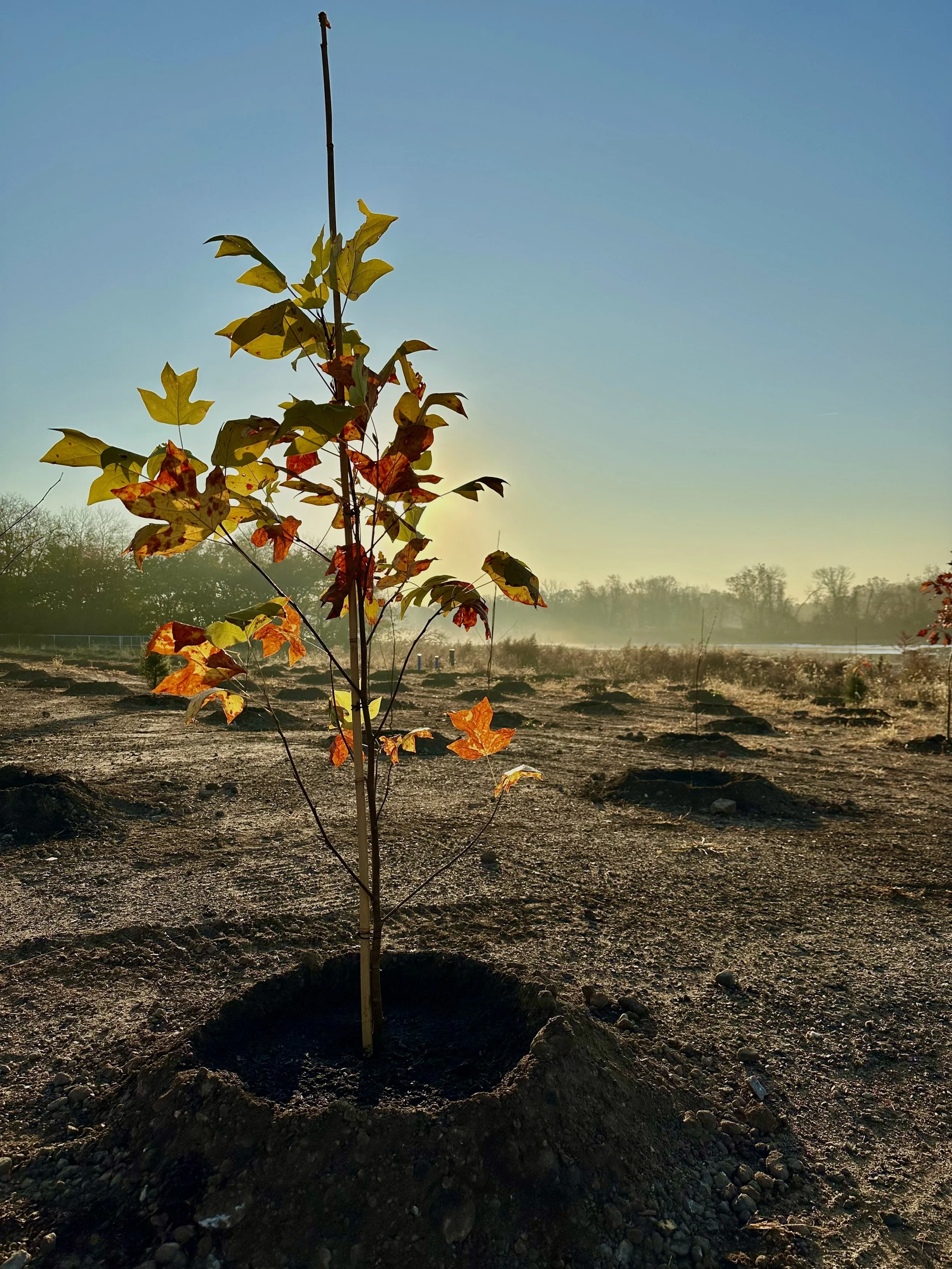
Planting of more than 2,000 native trees, shrubs, and meadow species selected for coastal tolerance, wildlife benefit, and long-term sustainability
Re-establishment of natural vegetative cover across the landfill cap to control erosion and restore habitat
Enhancement of shoreline and marsh conditions along Woodbury Creek and Hessian Run to improve water quality, erosion resistance, and ecological diversity
Reconnection of site habitat to the surrounding wetland and riparian systems
These improvements not only enhance the health of the creek and tidal corridor, but also help position the site as a long-term green asset for the surrounding community.
Solar plans.
The final phase of the project will convert the capped landfill plateau into a utility-scale solar array, supplying clean renewable electricity while ensuring the long-term productive use of the property. Planned elements include:
Structural and geotechnical design of solar mounting systems compatible with the capped landfill
Interconnection planning and utility coordination
Installation of photovoltaic arrays and support infrastructure
Long-term operations, monitoring, and post-closure cap maintenance
When complete, the site will provide a stable source of clean energy generation while retaining environmental protection, reducing greenhouse gas emissions, and returning value from a previously impaired site.
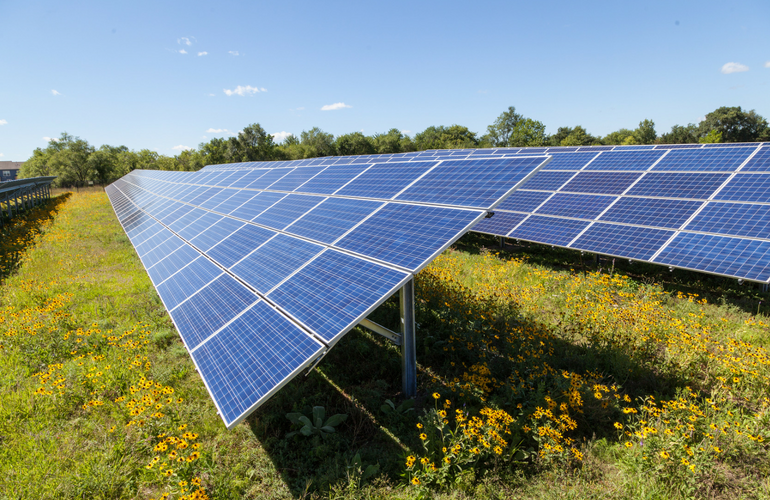
A Model for Sustainable Brownfield Redevelopment
The National Park project demonstrates how historically impaired land can be transformed into a long-term community asset. By integrating remediation, habitat restoration, and renewable energy development under one coordinated program, DSR is:
Eliminating environmental legacy risks
Strengthening local ecosystems
Returning dormant property to productive use
Supporting clean energy development and local economic value
This project reflects DSR’s mission: turning environmental challenges into opportunities for lasting community and ecological benefit.